
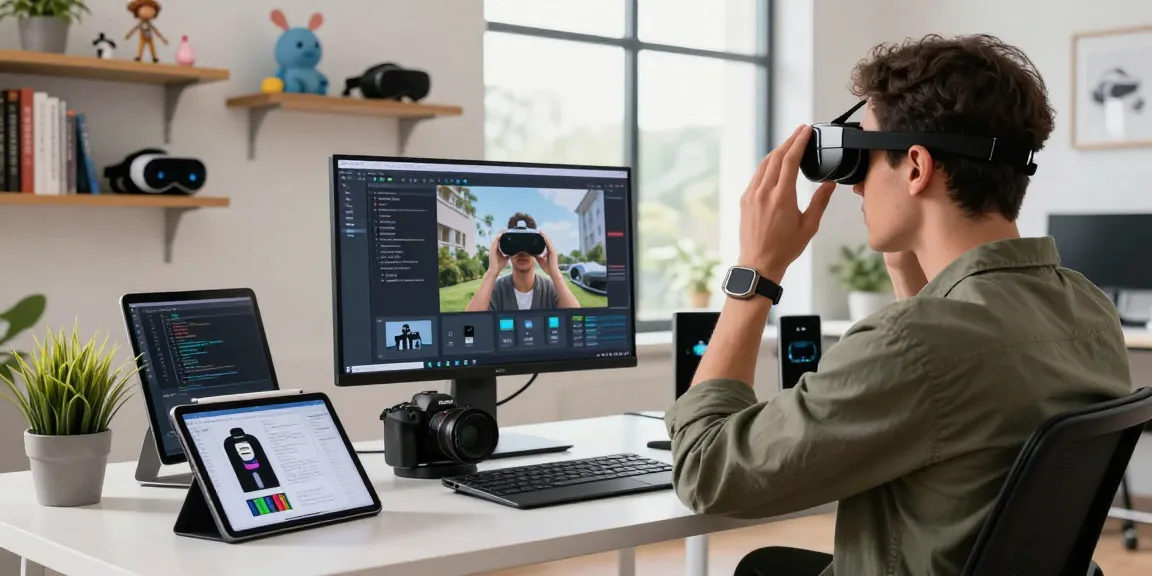
Understanding AR Glasses and Their Significance
The advent of augmented reality (AR) glasses represents a significant leap forward in the convergence of technology and daily life. These innovative devices blend the digital world with our physical surroundings, creating interactive experiences that enhance everyday tasks. As we delve into the essence of AR glasses, we will explore their functions, benefits, and how they shape our understanding of technology. When exploring options, AR glasses offer insights into a realm of possibilities that redefine interaction with digital content.
What Are AR Glasses?
AR glasses are wearable technology designed to enhance real-world experiences through digital overlays. Unlike virtual reality (VR) headsets that completely immerse users in a digital environment, AR glasses allow users to see and interact with their physical surroundings while receiving additional information or visuals. This technology uses advanced sensors, cameras, and displays to layer digital content over real-world images, allowing for practical applications across various domains.
The Evolution of AR Glasses in Technology
The evolution of AR glasses can be traced back to early experiments in optical technology, which were developed in the 1960s. However, it wasn’t until the early 2000s that significant advancements in computing power and display technology made AR glasses feasible for consumer use. Companies like Google and Microsoft were pioneers in commercializing AR technology with products such as Google Glass and Microsoft HoloLens. Today, numerous brands are competing in the marketplace, each contributing innovations that push the boundaries of what AR glasses can achieve.
Key Benefits of Using AR Glasses in Daily Life
- Enhanced Interaction: AR glasses facilitate a more interactive experience, enabling users to engage with the digital content in their environment.
- Increased Productivity: In professional settings, AR glasses can display real-time data and instructions, improving efficiency and reducing errors.
- Personalization: Users can customize their AR experience to suit their preferences, making technology more accessible and enjoyable.
- Entertainment Value: In gaming and multimedia applications, AR glasses provide immersive experiences that blend gameplay with real-world surroundings.
Market Trends and Developments in AR Glasses
Current Innovations in AR Glasses Technology
As the AR glasses market grows, so does the pace of innovation. Recent advancements include improved field of view (FOV), lighter and more comfortable designs, and enhanced battery life. Companies are also focusing on developing AR glasses that incorporate artificial intelligence (AI) to better understand user behavior and preferences, thereby creating more personalized experiences. Features like voice control and gesture recognition are becoming standard, making AR glasses more intuitive to use.
Leading Brands and Their Offerings for 2026
By 2026, several brands are expected to dominate the AR glasses market. Companies like Vuzix, Magic Leap, and Google are leading the charge with robust product offerings. Vuzix has identified a niche in enterprise-grade AR solutions, while Magic Leap has focused on creating immersive experiences for both consumers and industries. Furthermore, tech giants like Apple are rumored to be developing their line of AR glasses, which could revolutionize the market with Apple’s design ethos and ecosystem integration.
Consumer Preferences and Market Demands
Consumer preferences for AR glasses are evolving, with a growing emphasis on versatility and usability. Users are increasingly looking for devices that seamlessly integrate into their daily lives, offering functionalities that extend beyond entertainment. Demand for AR glasses in educational settings is also on the rise, as institutions seek innovative tools to enhance learning experiences. Moreover, privacy concerns and social acceptance of AR technology remain pivotal factors shaping market trends.
Real-World Applications of AR Glasses
Enhancing User Experience in Gaming and Entertainment
AR glasses have revolutionized the gaming industry, providing players with a unique way to interact with their gaming environments. Popular games like Pokémon GO have set the stage for AR gaming, blending real-world locations with virtual creatures and experiences. This trend is expected to deepen as more developers harness AR technology to create engaging and interactive gaming experiences.
AR Glasses in Education and Training Environments
Education has become one of the most significant areas for AR glasses application, providing immersive learning experiences that enhance engagement. Institutions are utilizing AR technology to create interactive content that facilitates learning through visual storytelling. For example, medical schools use AR glasses for surgical simulations, allowing students to practice in a lifelike environment without risks.
How Industries Use AR for Practical Solutions
Industries such as construction, healthcare, and manufacturing are leveraging AR glasses to improve operations. In construction, AR glasses provide foremen with digital blueprints overlaid on job sites, which can streamline workflows and improve accuracy. Similarly, in healthcare, AR glasses enable surgeons to visualize critical data during procedures, enhancing decision-making processes and outcomes. These practical applications demonstrate how AR technology can augment human capabilities and improve productivity across industries.
Challenges and Considerations for AR Glasses Users
Common Misconceptions About AR Glasses
Despite their growing popularity, several misconceptions about AR glasses persist. Many believe that AR glasses are solely for gaming or entertainment, neglecting their practical applications in professional settings. Additionally, some users fear that AR glasses may replace human interaction; however, the technology is designed to enhance, not replace, human experiences.
Privacy and Security Issues Related to AR Technology
Privacy and security concerns are significant considerations with AR glasses. With the capacity to capture video and audio, users and non-users alike may worry about surveillance and data misuse. To combat these concerns, manufacturers are developing stringent privacy guidelines and features that empower users to control what data is collected and shared.
Technical Limitations and Future Improvements
While AR technology is advancing rapidly, several technical limitations remain. Current AR glasses often struggle with battery life, processing power, and field of view, which can hinder the user experience. Future improvements are expected to address these issues, leading to more robust and user-friendly devices capable of supporting a wider range of applications.
The Future of AR Glasses: What to Expect in 2026
Predictions for AR Glasses in Everyday Life
Looking ahead to 2026, AR glasses are anticipated to become integral components of everyday life. As technology continues to advance, the integration of AR glasses into various platforms—such as smartphones and smart home devices—will enhance functionality. This shift towards ubiquitous AR technology will likely lead to a societal norm where AR experiences are leveraged for retail, navigation, and personal interactions.
The Role of AR Glasses in Emerging Technologies
As we progress, AR glasses are expected to play a pivotal role in emerging technologies, particularly in sectors like smart cities, autonomous vehicles, and IoT. For instance, AR glasses may facilitate hands-free navigation in self-driving cars, providing crucial information directly to drivers without diverting their attention. Similarly, the integration of AR with virtual reality (VR) and mixed reality (MR) will create unique experiences that redefine entertainment and communication.
Expert Insights on AR Glasses and Trends Ahead
Experts predict that AR glasses will continue to evolve rapidly, driven by consumer demand for immersive experiences. Innovations in AI, machine learning, and spatial computing are poised to redefine how users interact with AR technology. Industry leaders emphasize the need for collaboration to ensure interoperability between various AR systems, creating a cohesive user experience across platforms.
What are the leading AR glasses brands available?
Market leaders in the AR glasses sector include Vuzix, Magic Leap, and Microsoft. Each brand offers unique features tailored to various consumer needs. For instance, Vuzix focuses on enterprise solutions, while Magic Leap emphasizes immersive experiences for consumers.
How do AR glasses differ from VR glasses?
While both AR and VR glasses aim to enhance user experience, they operate differently. AR glasses integrate digital elements with the real world, allowing users to interact with both simultaneously. In contrast, VR glasses immerse users in a fully digital environment, isolating them from their physical surroundings.
What industries are most impacted by AR technology?
AR technology is poised to impact numerous industries significantly, including healthcare, education, retail, manufacturing, and entertainment. Each sector utilizes AR in various ways to enhance productivity, learning, and customer engagement.
How can AR glasses enhance learning experiences?
AR glasses can enhance learning by providing interactive content that engages students and facilitates a deeper understanding of complex subjects. For example, using AR to visualize historical events or scientific concepts can make learning more dynamic and memorable.
What factors should consumers consider when buying AR glasses?
When purchasing AR glasses, consumers should consider factors such as comfort, battery life, compatibility with existing devices, and available content. It’s essential to assess how the glasses will fit into their lifestyle, whether for leisure, work, or educational purposes.